CK1
Casein kinase 1 (CK1) is a conserved family of serine/threonine protein kinases that includes the α, β, γ1-3, δ, and ε isoforms, which share highly conserved catalytic domains but differ in regulatory regions that influence substrate selection and cellular functions[1]. CK1 isoforms participate in multiple signaling networks and regulate protein phosphorylation events involved in cell survival, proliferation, differentiation, and intracellular signaling[1]. Mechanistically, CK1 has a central role in Wnt/β-catenin signaling, where distinct isoforms phosphorylate pathway components and control β-catenin stability and transcriptional activity[2]. In particular, CK1α functions as a negative regulator of canonical Wnt signaling by initiating phosphorylation events that promote β-catenin degradation and suppress pathway activation[2][3]. Dysregulation of CK1-dependent signaling has been linked to tumorigenesis and other disease processes, making CK1 an important experimental target in cancer biology and signal transduction research[1][2]. Compared with related isoforms, CK1α shows a prominent role in restraining Wnt signaling, whereas CK1δ and CK1ε are strongly associated with circadian clock regulation through phosphorylation-dependent control of PERIOD protein stability and localization[1][4]. In disease and physiological models, alterations in CK1δ or CK1ε activity have been associated with circadian rhythm disorders, while aberrant CK1 signaling has also been implicated in neurodegenerative pathology[4]. For experimental applications, small-molecule CK1 modulators, including isoform-targeting inhibitors such as IC261, have been used to investigate CK1-dependent signaling mechanisms and disease-relevant pathways[1].
References:
- [1]. Schittek B, et al. Biological functions of casein kinase 1 isoforms and putative roles in tumorigenesis. Mol Cancer. 2014 Oct 11;13:231. [Content Brief]
- [2]. Shen C, et al. Casein Kinase 1α as a Regulator of Wnt-Driven Cancer. Int J Mol Sci. 2020 Aug 18;21(16):5940.
- [3]. Borgal L, et al. Casein kinase 1 α phosphorylates the Wnt regulator Jade-1 and modulates its activity. J Biol Chem. 2014 Sep 19;289(38):26344-26356. [Content Brief]
- [4]. Sciencedirect.topics.
-
CK1 Related Products (77)
Related Products (77)

-
Antibodies (3)
-
IWP-2
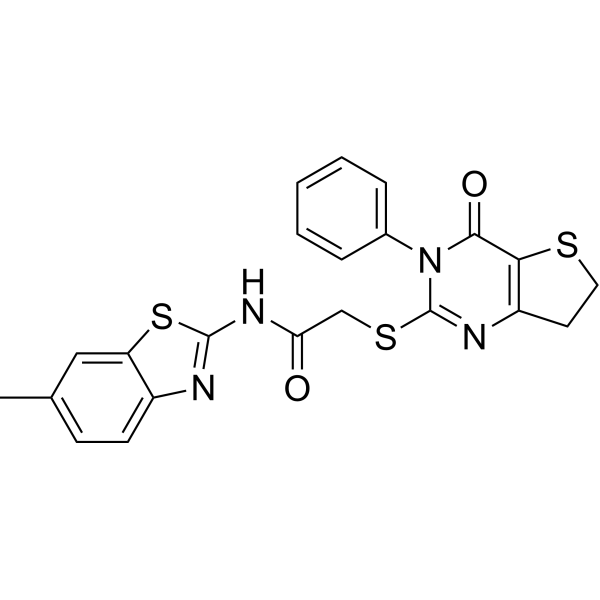 0 ImagesIWP-2 is an inhibitor of Wnt processing and secretion with an IC50 of 27 nM. IWP-2 targets the membrane-bound O-acyltransferase porcupine (Porcn) and thus preventing a crucial Wnt ligand palmitoylation. IWP-2 is also an ATP-competitive CK1δ inhibitor with an IC50 of 40 nM for the gatekeeper mutant M82FCK1δ.
-
D4476
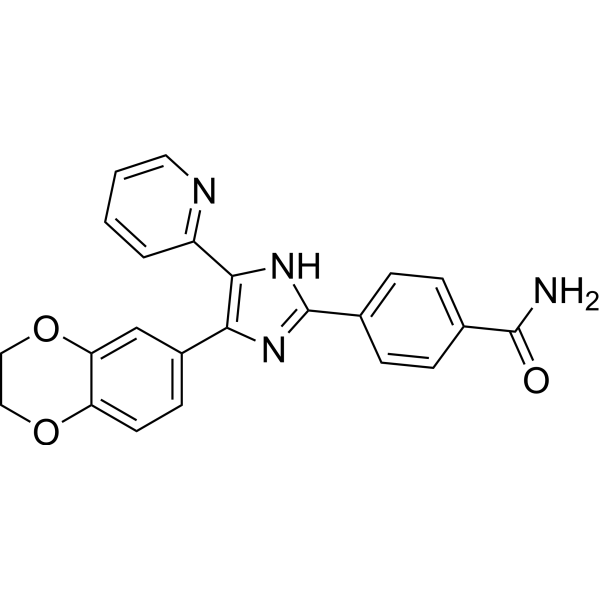 0 ImagesSynonyms: Casein Kinase I InhibitorD4476 is a potent, selective and cell-permeable inhibitor of casein kinase 1(CK1) with an IC50 value of 0.3 μM in vitro.
-
PF-670462 dihydrochloride
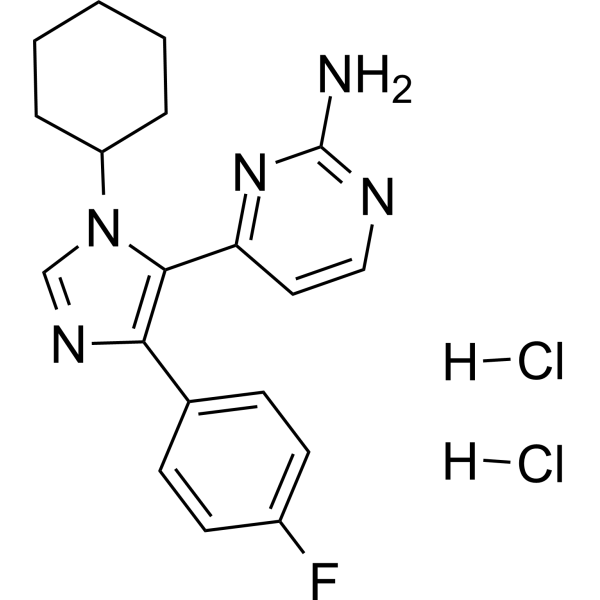 0 ImagesPF-670462 dihydrochloride is a potent and selective inhibitor of casein kinase (CK1ε and CK1δ), with IC50s of 7.7 nM and 14 nM, respectively.
-
FPFT-2216
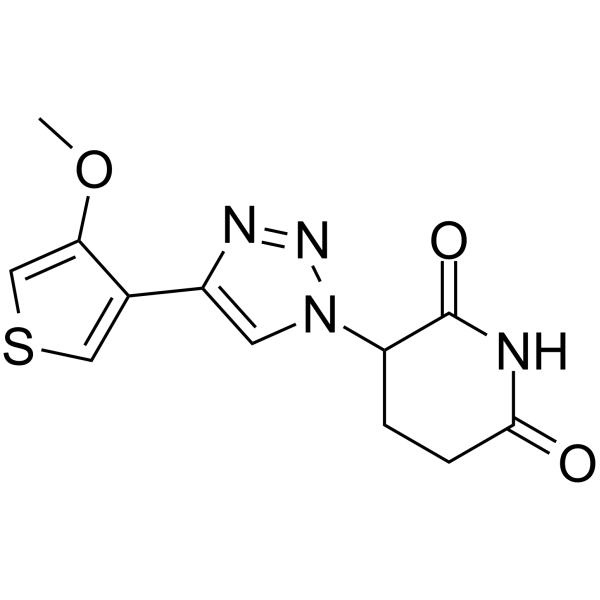 0 ImagesFPFT-2216 is an orally active Molecular glue degrader targeting IKZF1, IKZF3, CK-1α, and PDE6D, with a DC50 of 8 nM against PDE6D. FPFT-2216 mediates ubiquitin-proteasome degradation via the CRL4CRBN E3 ubiquitin ligase complex and interacts with the non-isoprenoid-binding region of PDE6D. FPFT-2216 activates the p53 signaling pathway, inhibits the CBM complex/NF-κB pathway, upregulates IL-2, suppresses IL-1β and IL-6, and induces tumor cell Apoptosis. FPFT-2216 exhibits anticancer activity against multiple myeloma and lymphoma. FPFT-2216 can be used in research related to multiple myeloma, lymphoma, acute lymphoblastic leukemia, acute myeloid leukemia, pancreatic ductal adenocarcinoma, non-small cell lung cancer, and gastric adenocarcinoma.
-
BTX-A51
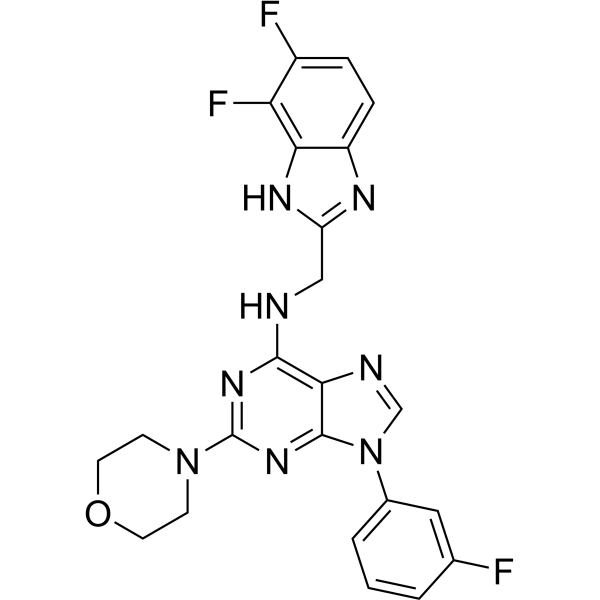
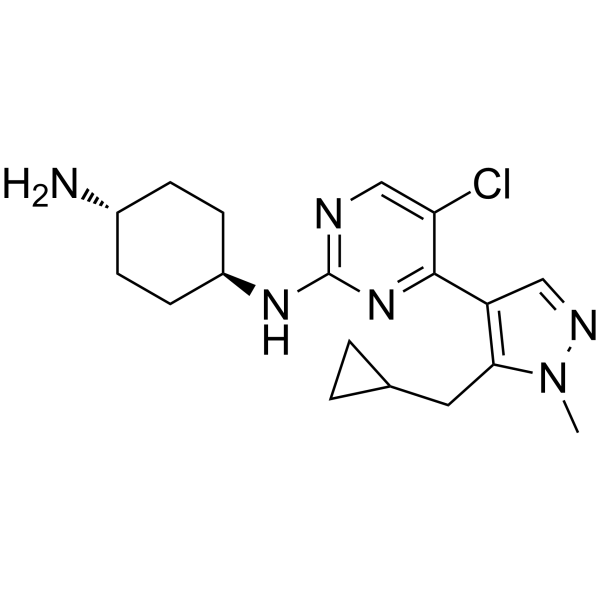 0 ImagesSynonyms: Casein Kinase inhibitor A51BTX-A51 (Casein Kinase inhibitor A51) is a potent and orally active casein kinase 1α (CK1α) inhibitor. BTX-A51 induces leukemia cell apoptosis, and has potent anti-leukemic activities.
-
BTX161
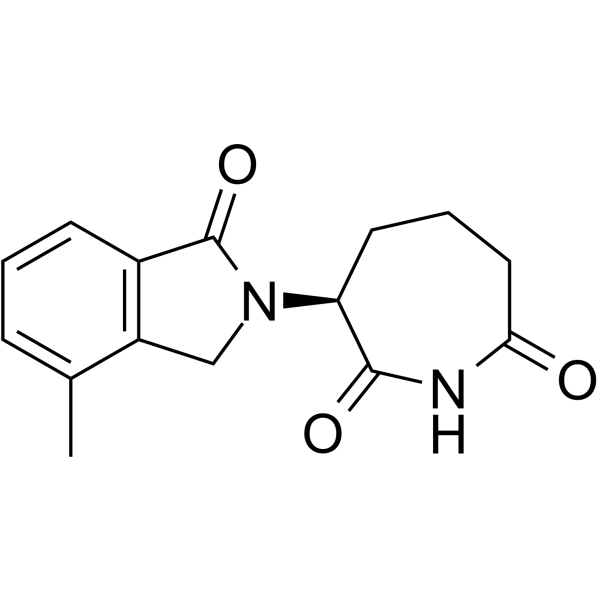 0 ImagesBTX161, a Thalidomide (HY-14658) analog, is a molecular glue degrader targeting CK1α. BTX161 recruits CK1α and the CK1α-FAM83 complex to the Cul4ACRBN E3 ligase complex, thereby driving ubiquitination and proteasomal degradation. BTX161 reduces FAM83G abundance through CK1α-FAM83G co-stability, slightly decreases FAM83H levels, but has no effect on the expression of FAM83B. BTX161 activates DNA damage response (DDR) and upregulates Wnt target genes including MYC. BTX161 can be used in research related to colorectal cancer, type b myelomonocytic leukemia and acute myeloid leukemia.
-
DEG-77
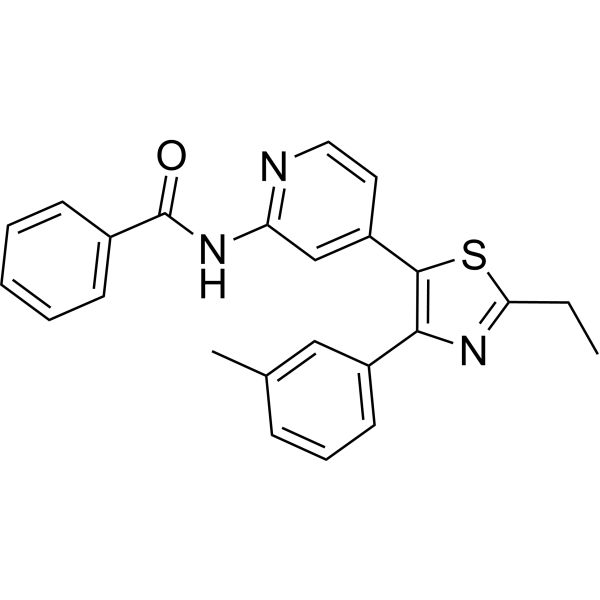
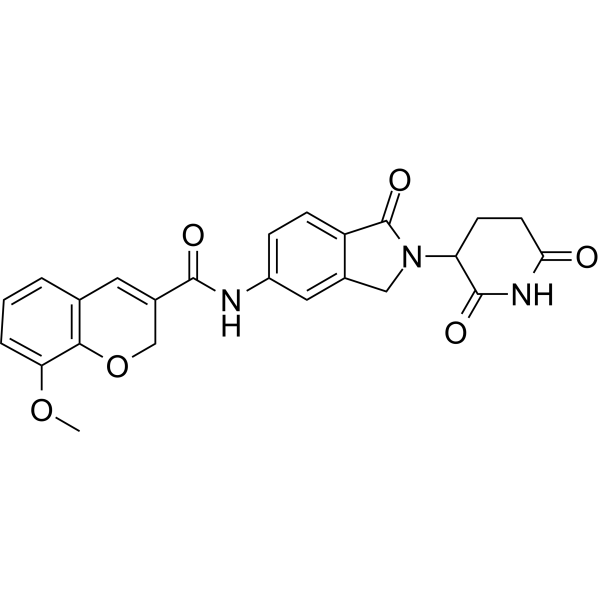 0 ImagesDEG-77 is a molecular glue targeting IKZF2 and CK1α, with DC50 values of 15.3 nM and 10 nM, respectively. DEG-77 exhibits significant anti-tumor activity, inducing increased transcriptional levels of the pro-apoptotic protein Bax and the cell cycle arrest protein p21. DEG-77 is applicable to the research of acute myeloid leukemia (AmL), diffuse large B-cell lymphoma and ovarian cancer.
-
PF-4800567
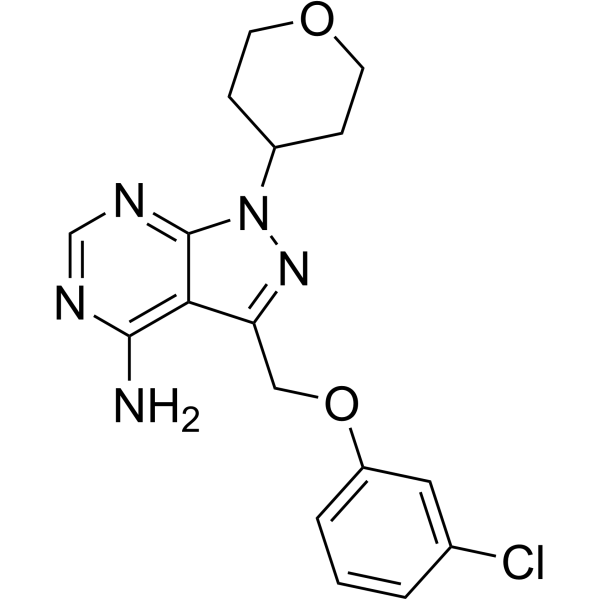 0 ImagesPF-4800567 is a potent and selective inhibitor of casein kinase 1? (CK1?), with an IC50 of 32 nM, which is greater than 20-fold selectivity over CK1δ (IC50, 711 nM).
-
AMG-548 dihydrochloride
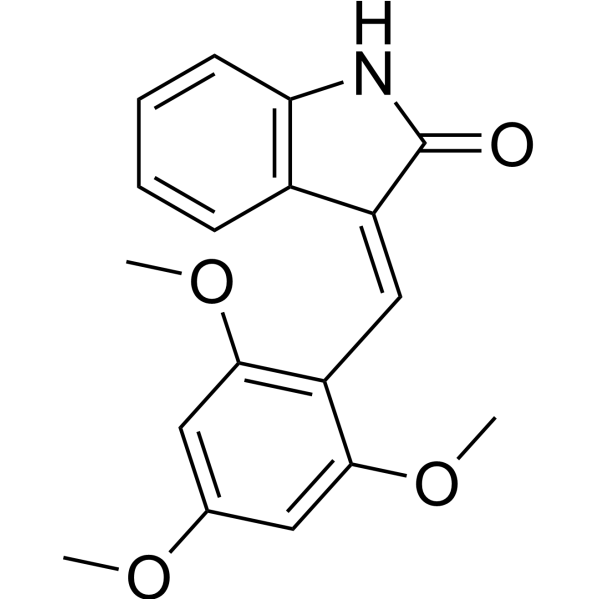
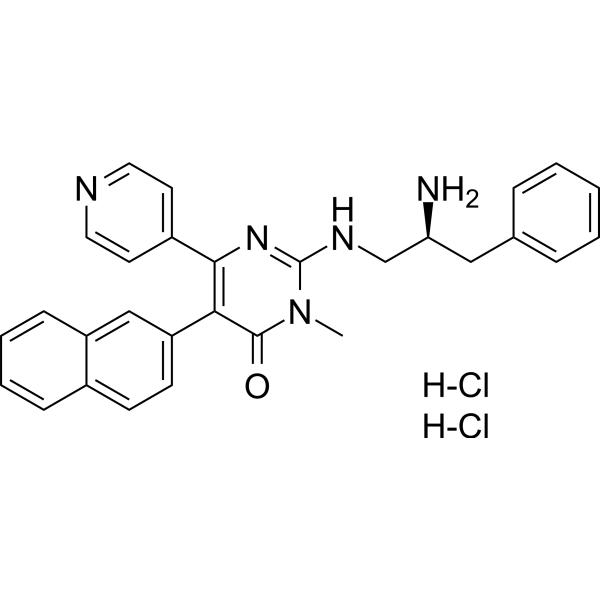 0 ImagesAMG-548 dihydrochloride, an orally active and selective p38α inhibitor (Ki=0.5 nM), shows slightly selective over p38β (Ki=36 nM) and >1000 fold selective against p38γ and p38δ. AMG-548 dihydrochloride is also extremely potent in the inhibition of whole blood LPS stimulated TNFα (IC50=3 nM). AMG-548 dihydrochloride inhibits Wnt signaling by directly inhibiting Casein kinase 1 isoforms δ and ε.
-
TMX-4116
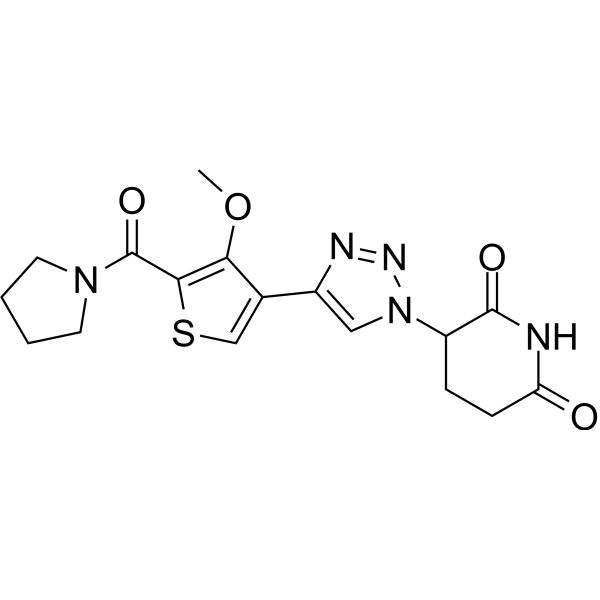 0 ImagesTMX-4116 is a casein kinase 1α (CK1α) degrader. TMX-4116 shows the degradation preference for CK1α with DC50s less than 200 nM in MOLT4, Jurkat, and MM.1S cells. TMX-4116 can be used for the research of multiple myeloma.
-
PF-5006739
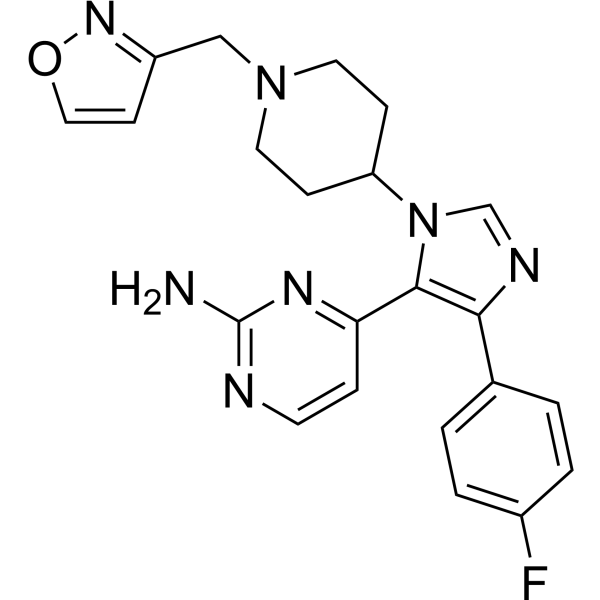 0 ImagesPF-5006739 is a potent and selective inhibitor of CK1δ/ε with IC50s of 3.9 nM and 17.0 nM, respectively. PF-5006739 is a potential therapeutic agent for a range of psychiatric disorders with low nanomolar in vitro potency for CK1δ/ε and high kinome selectivity. PF-5006739 attenuats opioid agent-seeking behavior in a rodent operant reinstatement model in animals in a dose-dependent manner. PF-5006739 improves glucose tolerance in both diet-induced obesity (DIO) and genetic (ob/ob) mice models of obesity.
-
SB-405483
 0 ImagesCat. No.: HY-W1135319Purity: 99.33%SB-405483 is a CRBN orthosteric ligand bindign enhancer. SB-405483 potentiates degradation of CRBN substrates including CK1α, Wee1, IKZF1/3. SB-405483 stabilizes CRBN and reduces CRBN autoubiquitination. SB-405483 can be used for the research of cancer, such as multiple myeloma and acute myeloid leukemia.
-
BAY-204
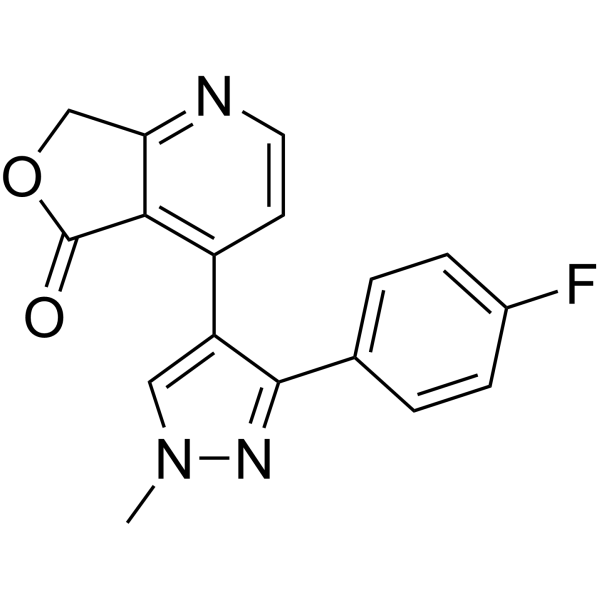
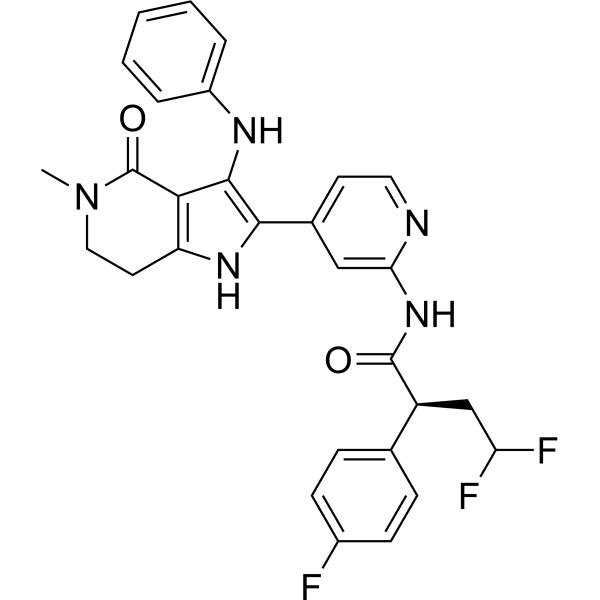 0 ImagesSynonyms: BRD3727BAY-204 (BRD3727) is a potent, ATP-competitive, and selective CSNK1α inhibitor (IC50 = 2 nM at 10 μM ATP; 12 nM at 1 mM ATP). BAY-204 can be used for the study of acute myeloid leukemia (AML).
-
CKI-7 free base
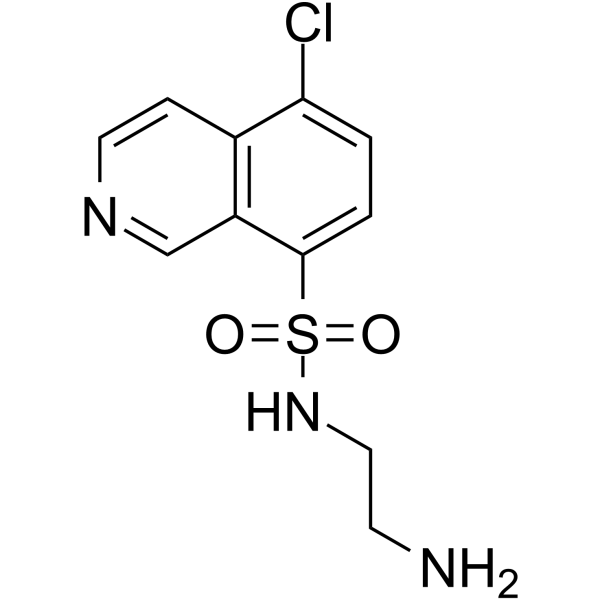 0 ImagesCKI-7 free base is a potent and ATP-competitive casein kinase 1 (CK1) inhibitor with an IC50 of 6 μM and a Ki of 8.5 μM. CKI-7 free base is a selective Cdc7 kinase inhibitor. CKI-7 free base also inhibits SGK, ribosomal S6 kinase-1 (S6K1) and mitogen- and stress-activated protein kinase-1 (MSK1). CKI-7 free base has a much weaker effect on casein kinase II and other protein kinases.
-
AMG-548
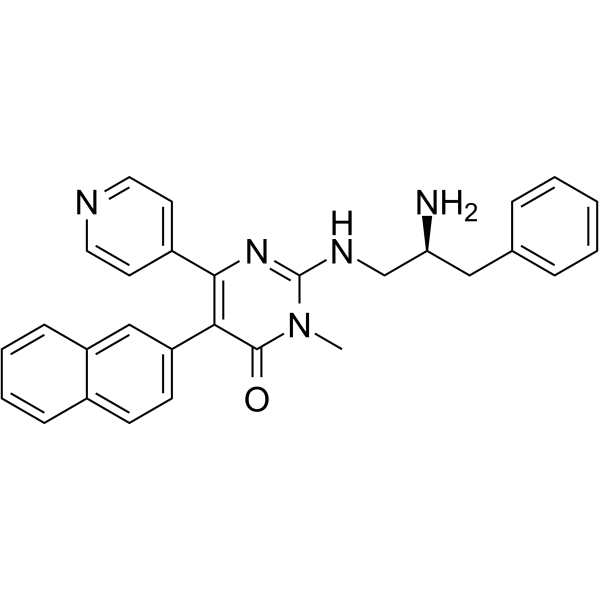 0 ImagesAMG-548, an orally active and selective p38α inhibitor (Ki=0.5 nM), shows slightly selective over p38β (Ki=36 nM) and >1000 fold selective against p38γ and p38δ. AMG 548 is also extremely potent in the inhibition of whole blood LPS stimulated TNFα (IC50=3 nM). AMG-548 inhibits Wnt signaling by directly inhibiting Casein kinase 1 isoforms δ and ε.